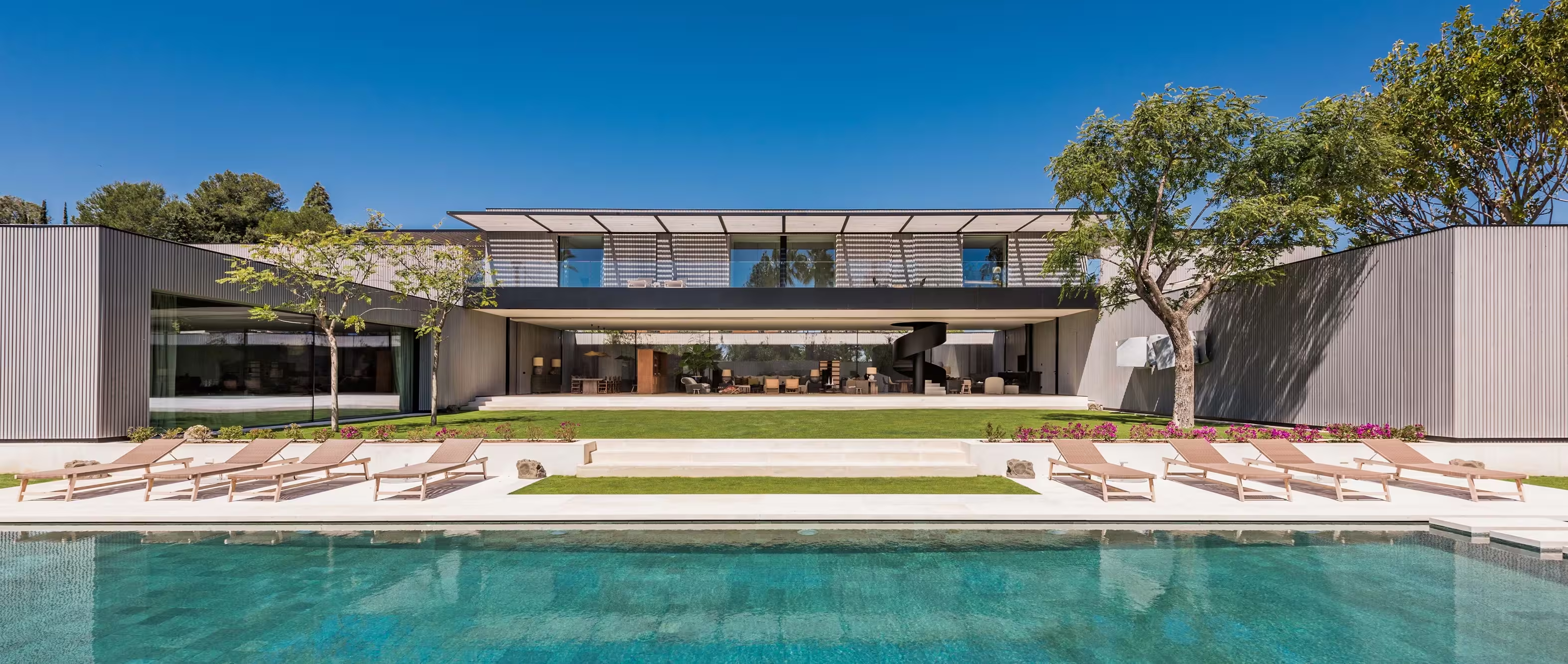
The architecture for the welfare or well-being focuses on creating buildings and interior spaces that promote health, comfort and happiness of the people. To achieve this goal, we use a variety of strategies, such as the interior design, the creation of functional spaces and the use of materials and technologies that promote the energy efficiency and sustainability.
In addition, the architecture of well-being also focuses on the impact of buildings on the environment, considering aspects such as air quality, the reduction of waste and the conservation of biodiversity.
Therefore, the architecture of the well-being refers to the design and construction of buildings and spaces that prioritize the health, well-being and comfort of the people that inhabit or use, creating healthy environments and functional that promote the quality of life and the happiness of the people.
And so, with the passage of time has become a discipline in constant evolution that seeks to create spaces that foster comfort, health and well-being of the occupants.
The architectural design can have a big impact on the quality of life of an individual, that is the architecture of well-being. Through the selection of appropriate materials, the location of the elements in a space, and the consideration of ergonomics, the architects, we can create environments that improve the comfort and well-being. In this blog, we will discuss how the architecture can help to improve the quality of life.
In this article, we will discuss how architecture can help improve the quality of life. The architecture has a direct impact on our comfort. The way in which the spaces are designed and the decisions of the materials influence on our ability to move around and interact with our environment. Ergonomics is a discipline that focuses on the study of how the human body interacts with the spaces and objects.
Architects use these principles to create spaces that are adapted to the needs of the human body and improve the comfort. The location of the elements in a space that also can have a big impact on the comfort. The architects, we must carefully consider the flow of traffic and the use of space to ensure that people can easily move around and not feel trapped in a room. It is also important to consider the natural and artificial lighting, as well as the control of the sound to ensure a calm and relaxed environment.
The selection of suitable materials is also essential to comfort. The materials must be durable, resistant to wear, and easy to maintain. Also it must be safe, non-toxic, and able to resist fire and extreme temperature. The materials should be chosen taking into account its environmental impact, as some materials can cause damage to the environment if not recycled or disposed of properly. The architecture can have a big impact on the quality of life of a person.
Through the selection of appropriate materials, the location of the elements in a space, and the consideration of ergonomics, the architects we can and we must create environments that improve the comfort and well-being.

In this post, we delve into:
Architecture Well-being: Designing spaces that promote the health and well-being
To use the architecture of well-being to design comfortable spaces and functional is a good way to improve your quality of life. The architectural design can be used to create spaces that encourage relaxation, and improve productivity. The architecture can help to create environments that are comfortable, safe and healthy.
This includes the planning of details, such as lighting, furniture, materials, colors, and spaces. The architecture can also help to diminish noise, pollution and other factors that can sometimes contribute to a stressful environment. The design for the comfort, you can improve the quality of life of a person by providing a quiet space, warm, and relaxing.
The architects must also design with the purpose of improving the mental health. This is achieved through the integration of elements soothing, like natural light in a space. The use of natural materials, such as wood, may also contribute to a feeling of warmth and comfort. The architecture can also help to create healthy environments through the incorporation of elements such as the sound insulation and air conditioning.
These elements can help to improve air quality and reduce noise, which improves the quality of life. In a few words, to use the architecture to design comfortable spaces and functional this is an excellent way of improving the quality of life. Architecture can be a powerful ally for the health and well-being, by providing people a healthy environment, relaxing and safe.
The interior design, the functional spaces, lighting, energy efficiency, and other aspects of an architectural design can significantly improve the quality of life of the people and making homes are places more pleasant and comfortable to live in.

Interior design: Creating environments pleasant and functional
For an interior design is inviting, comfortable and functional, it is important to take into account several aspects. In the first place, they should consider the use that will be given to the space and the needs of the people who inhabit or to use. For example, if it is a living room, you should think about creating a cozy and relaxing environment where you are able to receive visits or spending time as a family.
In terms of the distribution of the space it is important to make sure that there is enough space to move freely and that the furniture and accessories are placed in functional and accessible way. It is advisable to avoid an overload of decorative elements and opt for items that complement the functionality of the space.
The choice of the material is also important to achieve a welcoming and comfortable. You should choose materials that provide tactile sensations and pleasant visual, as the soft fabrics or warm wood. In addition, it is recommended to choose sustainable materials and environmentally friendly to promote the well-being architecture.
The lighting is also a key aspect in the design of interiors. It is important to ensure that there is sufficient natural and artificial light to create a pleasant and comfortable atmosphere. The choice of lamps and luminaires can also influence the atmosphere of the space.
And all this should not be left to chance, but before you begin any construction or renovation, it is important to take into account the needs and activities of the residents and make a plan that will optimize the use of available space. The proper planning involves considering aspects such as circulation, access to and privacy in every room, as well as the use that will be given to each one. This way, you can maximize the efficiency and ergonomics of the space.

The intelligent routing of the elements within the spaces are also essential to create functional spaces. For this reason, it is important to take into account the location of the furniture, the choice of the type of furniture, the height of the appliance and the arrangement of the switches and sockets. The distribution must be designed according to the use that will be given to each spaceoptimizing the use of available space and ensuring the ergonomics and efficiency.
Proper lighting is another key aspect to create spaces that are functional and comfortable. It is important to take maximum advantage of the natural light and supplement it with artificial lighting, using lights warm and are adjustable to create a pleasant environment. In addition, you should take into account the needs of lighting in each space, and use the lamps and lights in strategic places to ensure adequate lighting.
The choice of materials and finishes suitable it is also important to create spaces that are functional and ergonomic. The materials that are used in floors and walls should be easy to clean and resistant to daily use. It is also important to take into account aspects such as the sound absorption and thermal to achieve a comfortable environment and pleasant. The choice of materials and finishes should be designed according to the use that will be given to each space, ensuring the efficiency and ergonomics.
The organization and the storage are key aspects to maximize the efficiency and ergonomics of the space. It is important to keep in mind the amount of storage that is required in every room and choosing the type of furniture suitable for this. In addition, you must use organizers and storage systems that allow them to make the most of the space available and to ensure the efficiency and ergonomics in each space.
Finally, it is important to take into account the personal preferences of the people who inhabit and use the space. You can achieve a cozy and functional if they take into account the tastes and needs of each individual person and adapts the design to them.
In short, in the whole project should be focused on the functionality of the spaces, that is to say, you should design the environments according to the needs and activities of the residents. For example, the distribution of the furniture and the choice of the decorative elements should be in function of the use to be given to the room (work, rest, study, among others), and make sure that they do not hinder the natural flow of the people.

Comfort in the home: Creating spaces that invite relaxation and rest
The architecture can be a powerful tool to improve and optimize the quality of life in the home. To design a space to suit your specific needs can have a big impact on your level of comfort and well-being.
This can range from the location of the furniture to the location of the points of light and the distribution of the spaces. The choice of the appropriate material, as well as the selection of the colors and the configuration of the spaces, it can also significantly improve the experience of life in your home.
Investigate the areas in which you feel comfortable and you feel uncomfortable. This will help you to discern what elements of the architecture need to be modified to achieve the best result. If you want your home to be a place where you can relax and enjoy, you can begin to design it for the comfort, using architecture as a tool.
We return to the key point of the choice of lighting you both again. The use of soft lights and warm, which create a cozy atmosphere and comfortable is essential to achieve this goal.
The lighting and the colors can have a profound impact on how we feel in a space. For example, a dark room and darker colors can make a person feel overwhelmed and boring, while a room with warm lighting and bright colors will make a person feel energized and motivated.

Neutral colors and pastels are ideal for achieving a sense of calm and relaxation. The shades of green and blue are also very suitable, since they are associated with nature and water, respectively, and transmit a sense of tranquility.
Therefore, design spaces with the lighting and the right colors can help improve the quality of life of a person. While there are some basic factors to take into account as the natural light, the color choice and the location of the points of light, there are many other ways in which architecture can improve our comfort.
In any project we should not focus so much on the overhead lighting of the rooms but in these elements of lighting a high school that fill us with nuances the same and we can even change the use of a specific room. For this, a corner of a bedroom you can get a gorgeous reading nook by the use of floor lamps or table to brighten indirectly and create a more intimate and relaxed.
This includes the use of building materials that provide a uniform illumination, the incorporation of solar panels to take advantage of the natural light, the installation of control systems of light, intelligent, and selection of the right colors for the room. These features can help to ensure that the spaces are warm and cozy, which can significantly improve the quality of life of a person.
Natural materials, such as wood, wicker or linen, they are very suitable for creating relaxing environments and warm. In addition, it is important to choose materials that are soft to the touch and create a feeling of comfort.
In terms of the choice of the furniture should be comfortable and cozy. Sofas and couches should be overstuffed and with high backs to foster a relaxed posture and comfortable. You can also include cushions and blankets to achieve a feeling of comfort and warmth.
Do not forget that relaxation and rest is increased when we find that we are aligned with the nature and design along with it and not against it.
This is why, in our designs we have to take into account that the environments that we create should be developed in healthy environments and sustainable, taking into account various aspects that contribute to a healthier environment and friendly with the environment, using sustainable materials and natural in the construction of the buildings and the interior design.
This implies choose non-toxic materials and recyclableas certified wood, glass, recycled or biodegradable materials,and to use materials that do not contain toxic substances that may cause allergies or diseases. Finally, you can use insulating materials to prevent the propagation of the noise and help maintain a comfortable temperature in the interior.

Benefits of nature: The importance of green spaces, open and outdoor
Other key aspect is the design of green spaces and the integration of nature in the built environment. This can be achieved through the creation of vertical gardens, the incorporation of green spaces on the roofs of the buildings, the planting of trees and the creation of community spaces outdoor us improve the quality of indoor air by using ventilation systems and air renewal adequate.
Incorporate plants into the design of the architecture is an excellent choice to create a comfortable and welcoming atmospheresince , the plants offer many benefits, such as improving air quality, reduce noise, increase the natural light and provide a sense of well-being. In addition, the plants will add a touch of style to any room, but they can also be used to create sections or separate spaces. This is very useful for those who are looking for a home-practical, modern and elegant.
Incorporating plants in your home is a good idea in terms of trends of interior designas it also provides many other benefits, such as improving health, reducing stress and creating a more relaxed environment.
The architecture plays a major role in the way in which we live. We are exposed to the buildings, open spaces and outdoor spaces to journal, all of which have a great impact on our quality of life. The architects not only design buildings and spaces for the visual comfort, but also consider the psychological well-being, functionality and security. The architecture of open spaces and outdoor can improve our quality of lifeas outdoor spaces are related to the mental health, physical well-being and satisfaction with life.
The exterior spaces offer a variety of benefits, such as improved mental and physical health, reducing stress and improving quality of life. Design with comfort, it can also help to promote the exterior spaces. Architects must consider factors such as the space, the location, the materials, the lighting, the design and functionality to ensure the comfort of users. This may include providing shade areas, rest areas, seating, tables, paved roads and ramps for easy access to the outdoor spaces.

Ergonomic design: Maximizing comfort and efficiency
When you design with comfort in mind, the architects we need to improve the quality of life of people by providing them with outdoor spaces safe, comfortable and healthy.
And if we're talking about convenience, the ergonomic design is a crucial part in the creation of spaces for well-beingsince that seeks to maximize the comfort and efficiency of spaces and furnishings, and minimize the risks of injuries and diseases.
In order to achieve an ergonomic design, it is necessary to take into account the needs and characteristics of the people who will use the space, and to adapt the design and the distribution of the items to them. For example, in an office, it is important that the tables and chairs are adjustable in height to allow for a comfortable posture and proper, avoiding the fatigue and muscle aches.
In the home, the ergonomic design can be applied in the kitchen, the bedroom and bathroom, for example. In the kitchen, you can put the appliances and utensils in accessible places, to avoid sudden movements and unnecessary injury. In the room, you can use the mattresses and pillows, suitable for every person, and adjust the height of the cabinets and shelves for easy access to clothing and personal items. In the bathroom, you can install grab bars and non-slip mats to prevent accidents.
In addition, the ergonomic design not only contributes to physical well-being, but also to the emotional and mental wellness of the people. A space comfortable and functional, and can reduce the stress and fatigue, improve productivity and concentration, and increase the satisfaction and well-being in general.
Therefore, it is important that architects and designers of interiors, we take into account the ergonomic design, at all stages of the design process, from planning to execution and evaluation. This involves a comprehensive research on the needs and characteristics of users, an appropriate selection of materials and furnishings, and a careful consideration of the distribution and lighting of spaces.
As a summary of everything you seen, check the following to check if your project is taking all into account;
- Functionality: The interior design should be focused on the functionality of the spaces, that is to say, you should design the environments according to the needs and activities of the residents. For example, the distribution of the furniture and the choice of the decorative elements should be in function of the use to be given to the room (work, rest, study, among others), and make sure that they do not hinder the natural flow of the people.
- Ergonomics: The interior design must be ergonomic, that is to say, adapted to the needs and physical characteristics of the residents. It is important to consider aspects such as the height of the furniture and appliances, the location of the switches and plugs, the accessibility of the space and the lighting is adequate. All this in order that residents can use the elements of the dwelling without any effort and without causing physical discomfort.
- Lighting: Lighting is a fundamental aspect of interior design from the perspective of the architecture of well-being. You should seek to maximize the natural light and supplement it with artificial lighting adequate, using lights, warm and dimmable to create the environments pleasant and relaxing. The lighting should be sufficient to perform activities and also for the rest.
- A pleasant environment: The interior design should seek to create environments pleasant and relaxing to the residents. To achieve this, you should use colors and materials that promote calm and well-being, preventing items that generate stress or anxiety. In addition, it can include items such as plants, scents and music to create environments even more enjoyable.
- Energy efficiency: The interior design should also consider the energy efficiency, use of materials and lighting and ventilation that reduce the consumption of energy and, therefore, the carbon footprint of the housing. For example, you can use energy efficient appliances and LED bulbs in place of incandescent.

Conclusion: How to Improve Your Quality of Life with Practical Designs
The architecture well-being modern incorporates trends and innovative technologies to improve our quality of life at a time that fits our needs. Design for the comfort it means to create spaces that are comfortable for the users, functional, and that is satisfying visual. This means thinking about the design of the house from the perspective of the inhabitants, considering things such as materials, lighting, furniture and accessories. These elements must be selected with care to ensure a satisfactory user's experience.
For example, the natural light can help improve the well-being, as organic materials such as wood, stone or bamboo, which contribute to a feeling of comfort. The selection of furniture must also be carefully considered, as they should be comfortable, functional and adaptable to the users.
The location of the furniture is also important, since it must allow for a natural flow of movement. The design of the accessories, such as rugs, lamps and works of art, can also contribute to a better user experience. These elements contribute to create an environment that is welcoming and comfortable, which improves the quality of life.
Architecture and design are an important part of daily life that can influence the quality of life of a person. The architecture can be designed in function of the comfort of the users. This means that the spaces must be as comfortable as possible, which means that the space must be practical and intuitive.
This means that the spaces should be functional, clean, and well lit to allow an experience of pleasurable use. This also means that the spaces must be configured in such a way that you are safe, and that are flexible enough to adapt to changes in a person over time.
Designed for comfort, this also means that spaces should be accessible to all and must be designed to meet the individual needs.
For example, the spaces must be designed to meet the needs of people with disabilities and the spaces must be designed to meet the needs of the travelers.
Designed for comfort, this also means that spaces should be designed to meet the needs of modern life. This means that the spaces should be easily adaptable to modern technology, as well as to changes in the environment.
All of these factors together can contribute to improving the quality of life of people by providing them with an environment that is safe, comfortable and practical.